
When Should You Visit the Vet? Vet-Approved Tips for Pet Owners
Not sure if your pet needs to see the vet? Learn the key signs to watch for, vet-approved tips, and how a professional pet sitter can support your pet’s health and happiness.
As pet parents, we all want to do what’s best for our furry family members. But sometimes, it can be hard to know whether a symptom requires an urgent vet visit or if it can wait. Since pets can’t tell us how they feel, it’s important to recognize the signs that something isn’t right.
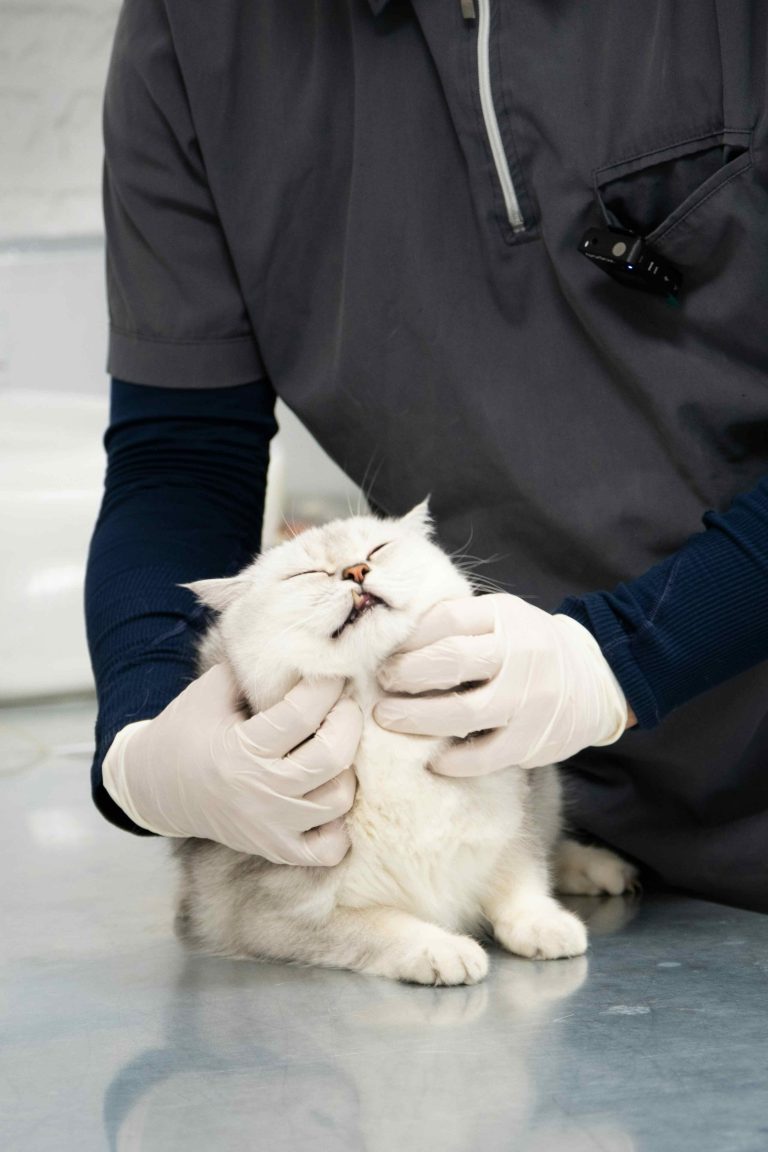
In this blog, we’ll share vet-approved tips on when you should take your pet to the vet, common red flags to watch for, and how professional pet sitters can help you stay on top of your pet’s wellbeing.
1. Changes in Eating or Drinking Habits
If your pet suddenly stops eating, refuses water, or drinks excessively, it may signal an underlying health issue. Loss of appetite could indicate dental pain, infections, or digestive problems, while excessive drinking might point to diabetes or kidney issues.
Vet Tip: Monitor changes for more than 24 hours. If your pet isn’t eating or drinking normally, schedule a vet appointment.
2. Unexplained Weight Loss or Gain
Fluctuations in weight—especially rapid ones—are often early signs of metabolic or hormonal issues. If your pet’s body shape changes without a diet or lifestyle shift, it’s worth getting checked.
3. Changes in Energy or Behavior
Does your usually playful pup seem tired and withdrawn? Or is your calm cat suddenly restless or hiding? Behavioral shifts often indicate pain, illness, or stress.
Vet Tip: Keep track of unusual behavior patterns. If your pet seems “off” for more than a day, consult your vet.
4. Breathing Difficulties, Coughing, or Wheezing
Any change in breathing—such as heavy panting, labored breathing, or coughing—should be treated as serious. Respiratory issues can escalate quickly and may need urgent veterinary attention.
5. Vomiting, Diarrhea, or Accidents
Occasional stomach upsets happen, but persistent vomiting or diarrhea (especially if there’s blood present) is a clear red flag. Similarly, accidents in house-trained pets may indicate a urinary tract infection or other health problem.
6. Pain or Mobility Issues
Limping, difficulty standing, or reluctance to jump/climb stairs can point to arthritis, injury, or other health concerns. Don’t assume it’s just “old age.”
7. How Pet Sitters Can Help
When you’re away, a professional pet sitter can play a key role in spotting early warning signs. Because we spend quality time with your pets, we notice subtle changes in appetite, energy, or mood—and we’ll update you immediately if something seems unusual.
Your pet’s health can change quickly, and early intervention makes all the difference. If you ever feel unsure, it’s always better to call your vet and get professional advice.
As caring pet sitters, we’re here to support your pet’s daily routines, provide loving care, and help you keep an eye on their wellbeing while you’re away.
Need reliable, loving pet care? Contact us today to book a sitter who truly treats your pets like family.